What Skills Do You Need to Become a Data Analyst
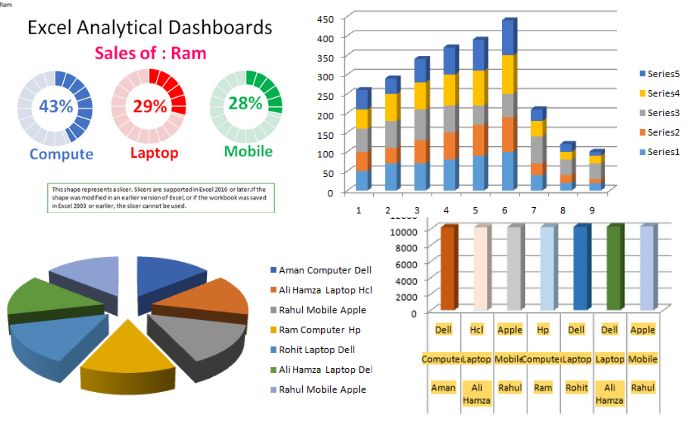
Becoming a data analyst requires a mix of technical abilities, analytical thinking, and business awareness. The skills needed are not limited to coding or tools only. Instead, they revolve around understanding data, interpreting it correctly, and communicating insights clearly.
Data analysts work with raw information coming from different sources. That information is rarely clean or ready for use. Because of this, strong foundational skills make a significant difference in how effective an analyst becomes.
Analytical Thinking and Problem Solving
Analytical thinking sits at the core of what skills you need to become a data analyst. It allows you to break down complex problems into smaller, manageable parts.
Instead of jumping to conclusions, a data analyst examines patterns, relationships, and anomalies. This way of thinking helps in identifying the real business problem behind the data.
Asking the Right Questions
Knowing what to analyze starts with asking the right questions. Clear questions guide the entire analysis process.
A well-defined question prevents wasted effort and keeps the analysis focused.
Data Cleaning and Preparation Skills
Most real-world data contains errors, duplicates, or missing values. Data cleaning skills are essential to ensure accuracy.
Without proper cleaning, analysis results become misleading. As a result, decision-making suffers.
Handling Missing and Inconsistent Data
Missing values require careful handling. Sometimes they are removed, while other times they are estimated.
Inconsistent formats also need standardization to allow proper comparison.
Excel Skills for Data Analysis
Excel remains one of the most important tools for data analysts. Strong Excel skills are still part of what skills you need to become a data analyst.
Functions, formulas, pivot tables, and charts help analyze data quickly. Many businesses rely heavily on Excel-based reporting.
Working with Large Datasets
Knowing how to organize and filter large datasets improves efficiency.
Using pivot tables allows analysts to summarize data without complex formulas.
SQL Skills for Working with Databases
SELECT statements, joins, and aggregations form the foundation of SQL analysis.
Understanding Data Relationships
Relational databases store data across multiple tables.
Understanding how tables connect ensures accurate analysis.
Python or R for Advanced Analysis
Programming skills add flexibility to data analysis. Python is widely used because of libraries like Pandas and NumPy.
These tools support data manipulation, automation, and advanced calculations.
Automating Repetitive Tasks
Automation saves time and reduces errors.
Scripts allow analysts to repeat analyses consistently.
Data Visualization Skills
Turning numbers into visuals makes insights easier to understand. Data visualization is a critical skill for communication.
Charts, dashboards, and graphs highlight trends clearly.
Choosing the Right Visualization
Different data types require different charts.
Using the correct visualization improves clarity.
Statistical Knowledge
Statistics help analysts validate findings. Understanding averages, distributions, and correlations is essential.
Statistical thinking prevents incorrect assumptions.
Interpreting Results Correctly
Numbers alone do not tell the full story.
Context and statistical reasoning ensure correct interpretation.

Business Understanding
Data analysis serves business goals. Knowing how a business operates improves analysis relevance.
Business context shapes which metrics matter most.
Aligning Data with Business Objectives
Analysis becomes valuable when it supports decisions.
Business alignment ensures impact.
Communication Skills
Explaining insights clearly is just as important as finding them. Communication skills turn analysis into action.
Written reports and presentations should be easy to understand.
Storytelling with Data
Data storytelling connects insights logically.
Clear narratives improve engagement.
Attention to Detail
Small errors can lead to wrong conclusions. Attention to detail protects data accuracy.
Checking calculations and assumptions is essential.
Critical Thinking
Critical thinking helps analysts challenge results.
Validating findings ensures reliability.
Time Management
Multiple projects often run simultaneously. Time management keeps work organized.
Meeting deadlines builds trust.
Continuous Learning
Tools and techniques evolve constantly. Continuous learning keeps analysts relevant.
Staying updated improves long-term growth.
Ethics and Data Privacy
Handling data responsibly matters. Ethical awareness protects sensitive information.
Compliance with regulations builds credibility.
Collaboration Skills
Data analysts work with teams. Collaboration improves understanding and outcomes.
Working closely with stakeholders clarifies expectations.
Tool Adaptability
New tools appear regularly. Adaptability helps analysts learn quickly.
Flexible skills transfer across platforms.
Confidence in Decision Support
Analysts support decisions with evidence. Confidence grows with experience.
Trustworthy analysis influences outcomes.
Building Practical Experience
Practice strengthens skills. Real projects build confidence.
Hands-on experience accelerates learning.
Long-Term Skill Development
Developing skills takes time. Consistency matters more than speed.
Strong foundations lead to advanced expertise.
Understanding what skills you need to become a data analyst helps guide learning paths. With the right combination of technical, analytical, and communication skills, data analysts create real value from information.
Pingback: Data Analysis Services for Data Driven Decision Making in Modern Organizations - omartheanalys