Sales Performance Analysis for Business Growth
Understanding Sales Performance Analysis
Sales performance analysis is a vital process that allows businesses to evaluate how effectively their sales strategies are converting leads into revenue. By examining historical sales data, organizations can identify trends, assess the performance of sales teams, and make data-driven adjustments to improve outcomes. Instead of relying solely on intuition, businesses can leverage sales performance analysis to measure efficiency, spot opportunities, and reduce risks.
The process of sales performance analysis involves collecting, organizing, and interpreting sales data to extract actionable insights. This ensures that decisions are based on objective evidence rather than assumptions. Proper analysis helps in understanding customer behavior, evaluating team performance, and identifying areas where improvements are necessary.
Importance of Sales Performance Analysis
Implementing sales performance analysis provides businesses with several benefits. It enables organizations to recognize high-performing sales representatives, optimize sales processes, and allocate resources effectively. Furthermore, sales performance analysis allows companies to monitor market trends, forecast revenue accurately, and maintain a competitive edge.
Businesses that adopt sales performance analysis develop a clearer understanding of their strengths and weaknesses. This clarity helps in designing targeted training programs, refining sales strategies, and enhancing overall operational efficiency. When done systematically, sales performance analysis creates a culture of accountability and continuous improvement.
Components of Sales Performance Analysis
Data Collection for Sales Performance Analysis
The first step in sales performance analysis is gathering relevant data. Sales teams should record details of every transaction, including client information, deal size, product or service sold, and sales cycle duration. Collecting data consistently ensures that subsequent analysis is accurate and comprehensive.
Key Metrics in Sales Performance Analysis
Several metrics are essential in sales performance analysis:
- Revenue generated per salesperson
- Conversion rates
- Average deal size
- Sales cycle length
- Customer acquisition cost
- Retention and churn rates
Monitoring these metrics provides insights into individual and team performance, helping managers make informed decisions.
Data Cleaning and Validation
Data integrity is critical for effective sales performance analysis. Errors, missing values, or inconsistent entries can lead to misleading insights. Cleaning and validating data ensures reliability, enabling accurate conclusions and recommendations.
Techniques in Sales Performance Analysis
Trend Analysis
Trend analysis in sales performance analysis identifies patterns over time. Businesses can observe seasonal fluctuations, shifts in customer preferences, or changes in market demand. Understanding trends allows companies to anticipate future sales and adjust strategies accordingly.
Comparative Analysis
Comparative analysis evaluates performance across different periods, teams, or products. By comparing metrics, organizations can pinpoint top-performing areas and underperforming segments. This method enhances sales performance analysis by highlighting best practices and areas for improvement.
Predictive Analysis
Predictive analysis uses historical sales data to forecast future performance. Incorporating statistical models and machine learning techniques, predictive analysis within sales performance analysis helps businesses prepare for potential opportunities and challenges. This proactive approach supports strategic planning and resource allocation.
Visualization Techniques
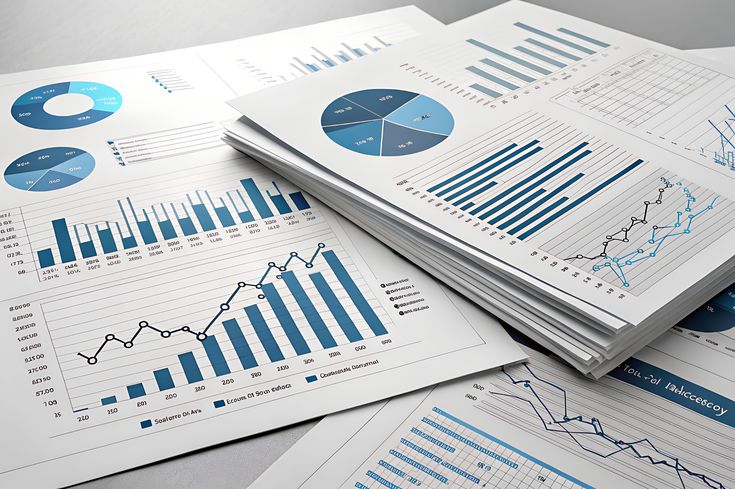
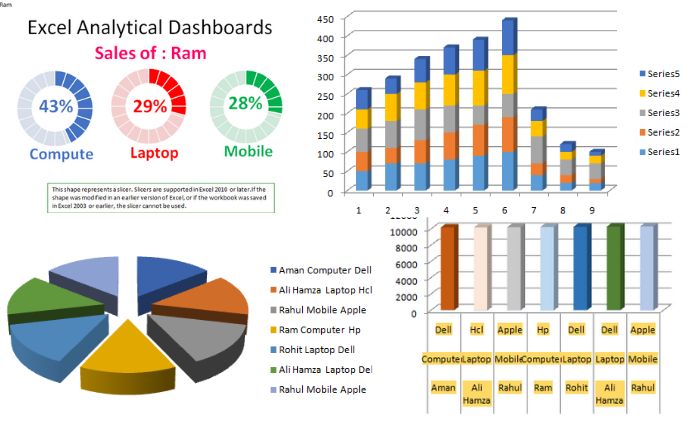
Visualizing sales data is an integral part of sales performance analysis. Charts, dashboards, and heatmaps help stakeholders quickly interpret complex datasets. Effective visualization ensures that insights are accessible and actionable.
Tools for Sales Performance Analysis
Several tools facilitate sales performance analysis, including:
- CRM Systems: Track customer interactions, deals, and communication history.
- Excel & Spreadsheets: Flexible tool for calculations, pivot tables, and basic charts.
- Business Intelligence Platforms: Advanced analytics, dashboards, and reporting.
- Data Visualization Tools: Tableau, Power BI, and Google Data Studio for visual representation of metrics.
- Predictive Analytics Software: Use algorithms to forecast future sales trends.
Selecting the right tools depends on organizational needs, data complexity, and team expertise.
Implementing Sales Performance Analysis Effectively
Setting Clear Objectives
Clearly defining goals is the foundation of sales performance analysis. Objectives could include increasing conversion rates, reducing churn, improving team efficiency, or boosting revenue. Well-defined goals guide the selection of relevant metrics and analysis methods.
Engaging the Sales Team
Involving sales representatives in sales performance analysis encourages ownership and accountability. Teams that understand metrics and targets are more likely to align their efforts with organizational goals. Regular feedback and transparent reporting enhance engagement and motivation.
Regular Monitoring and Review
Consistent monitoring is crucial for effective sales performance analysis. Weekly or monthly reviews help identify deviations from targets, allowing managers to implement corrective actions promptly. Continuous monitoring ensures that insights remain relevant and actionable.
Refining Strategies Based on Insights
Insights from sales performance analysis should inform decision-making. Adjusting sales approaches, reallocating resources, and optimizing processes based on analytical findings enhances efficiency and results. This iterative process fosters continuous improvement.
Challenges in Sales Performance Analysis
Data Quality Issues
Poor data quality undermines sales performance analysis. Inaccurate or incomplete records lead to unreliable insights, which can negatively impact decision-making. Establishing standardized data entry protocols mitigates this risk.
Complexity of Analysis
Advanced sales performance analysis techniques require analytical expertise. Managers must understand statistical models, visualization tools, and predictive methods to extract meaningful insights.
Resistance to Change
Implementing findings from sales performance analysis may encounter resistance from teams. Clear communication and demonstrating the value of data-driven adjustments help overcome reluctance.
Best Practices for Sales Performance Analysis
- Maintain accurate and up-to-date records
- Select relevant and actionable metrics
- Use appropriate analytical techniques
- Visualize data for clarity and comprehension
- Align analysis with business goals and strategies
- Continuously refine models and processes
Following these best practices ensures that sales performance analysis contributes to improved decision-making and business growth.
Strategic Value of Sales Performance Analysis
Incorporating sales performance analysis into routine business operations provides a competitive advantage. Companies can identify opportunities early, optimize sales processes, and allocate resources efficiently. Over time, the insights gained foster informed decision-making, strengthen team performance, and increase overall profitability.