Custom Data Analysis Services for Corporate Reporting
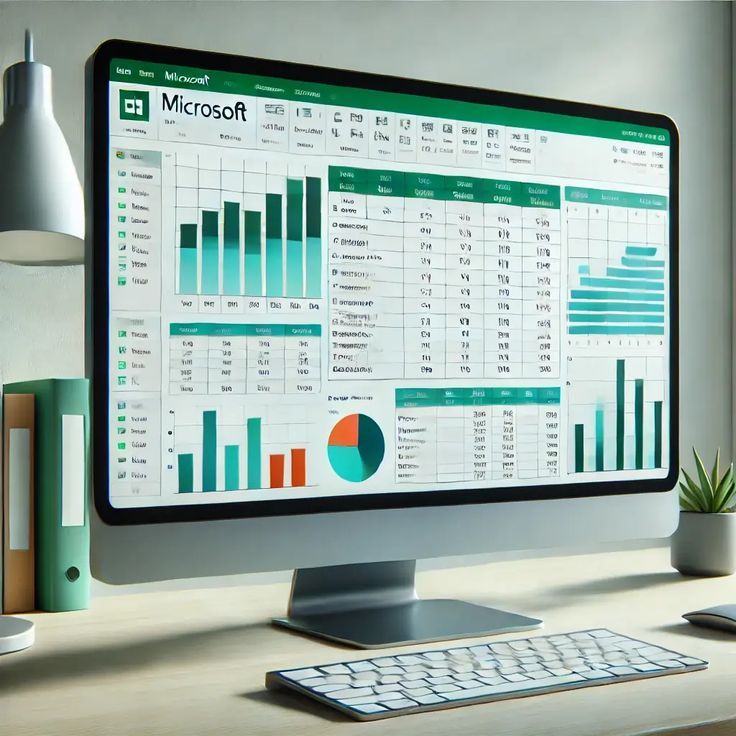
In today’s fast-paced business environment, companies rely heavily on data to make informed decisions. Custom data analysis services for corporate reporting are designed to help organizations turn raw data into actionable insights. These services are essential for businesses that want to understand trends, measure performance, and identify areas for improvement. By leveraging advanced tools and expert analytics, companies can ensure their reporting processes are both accurate and strategic.
Why Custom Data Analysis Matters
Corporate reporting is more than just compiling numbers; it’s about translating data into insights that drive decisions. Many organizations struggle with generic reporting tools that do not cater to their unique business needs. Custom data analysis services solve this problem by providing tailored reporting solutions. These services consider the company’s goals, KPIs, and specific challenges. With the right analytics, executives can track performance metrics, monitor trends, and make decisions that improve efficiency.
Effective reporting requires accurate data collection. Data analysts use various methods to ensure data integrity, including validation checks, cross-referencing multiple sources, and cleaning datasets to remove inconsistencies. Moreover, actionable insights depend on understanding the business context. A report might show declining sales in a specific region, but without knowing the local market conditions, the insight may not lead to an effective strategy.
Transitioning from raw data to meaningful reports involves several key steps. First, data is extracted from multiple sources such as ERP systems, CRM platforms, and financial software. Next, analysts perform transformations, aggregating information into structured formats suitable for reporting. Finally, visualization tools like Power BI, Tableau, or custom dashboards present the data in a clear and actionable manner.
Key Features of Custom Data Analysis Services
Custom data analysis services for corporate reporting offer several critical features. One of the main benefits is personalized dashboards. Unlike standard reporting tools, custom dashboards are tailored to the unique needs of each department. Finance teams can focus on profit margins and expenses, while marketing can track campaign effectiveness and customer engagement. This targeted approach ensures that each stakeholder gets the information they need without being overwhelmed by irrelevant data.
Another feature is automated reporting. Automation reduces manual errors and speeds up the reporting process. Analysts can set up schedules for reports to be generated weekly, monthly, or in real time. Automation also allows for instant alerts when key metrics fall below defined thresholds, enabling faster corrective actions. By having real-time insights, executives can respond to issues before they escalate.
Data security and compliance are equally important. Custom data analysis services often include secure storage, encryption, and adherence to regulations such as GDPR or SOX. Ensuring that sensitive information is protected is crucial for maintaining stakeholder trust and avoiding legal repercussions.
How Custom Data Analysis Services Improve Decision-Making
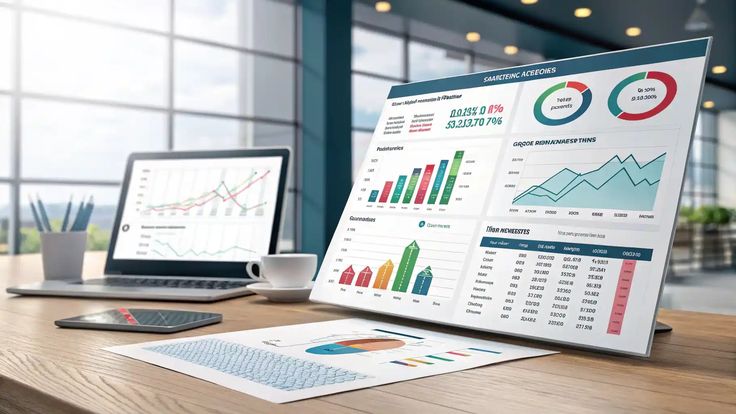
Custom data analysis services enhance decision-making by providing clarity and context. Executives often face the challenge of interpreting large volumes of data without a structured framework. Analysts transform this data into meaningful reports that highlight trends, anomalies, and opportunities. With visualizations, decision-makers can quickly grasp complex information and prioritize actions effectively.
For example, a corporate report might reveal that a product line has underperformed in a specific quarter. Analysts can further break down the data to show contributing factors such as market saturation, pricing strategy, or competitor activity. These insights allow executives to adjust their approach, reallocating resources or changing strategies to optimize outcomes.
Transitioning from traditional reporting to custom data analysis also encourages a culture of data-driven decision-making. Teams rely less on intuition and more on empirical evidence. This shift reduces risk and improves operational efficiency.
Benefits Across Departments
Custom data analysis services are not limited to finance or management. Various departments benefit in distinct ways:
- Finance: Track revenue, expenses, and profitability across multiple business units. Identify cost-saving opportunities and optimize budgeting.
- Marketing: Measure campaign ROI, monitor customer behavior, and refine targeting strategies.
- Operations: Monitor supply chain efficiency, track project timelines, and manage resources effectively.
- Human Resources: Analyze employee performance, turnover rates, and training effectiveness to improve workforce planning.
By integrating data across departments, companies can get a holistic view of their operations. This integration facilitates strategic alignment and ensures all teams work toward common objectives.
Case Studies and Real-World Applications
Similarly, a tech firm utilized predictive analytics to forecast product demand. Analysts built models using historical sales data and external market trends. This approach enabled the company to optimize inventory, reduce waste, and improve delivery times, enhancing customer satisfaction.
These examples highlight how data-driven insights directly impact business outcomes. They also demonstrate the importance of tailoring analysis to specific organizational needs.
Frequently Asked Questions (Q&A)
Q1: What makes custom data analysis services different from standard reporting?
A1: Custom services tailor reports and dashboards to your specific business needs, rather than providing generic templates.
Q2: How quickly can a company implement these services?
A2: Implementation time varies depending on data complexity, but many services can set up dashboards and automated reports within weeks.
Q3: Are these services suitable for small businesses?
A3: Yes, they can scale to any company size, from startups to large enterprises, providing actionable insights tailored to business objectives.
Q4: What tools are commonly used for custom reporting?
A4: Analysts often use Power BI, Tableau, Excel, SQL databases, and sometimes Python or R for advanced analytics.
Q5: Is the data secure with these services?
A5: Yes, reputable providers ensure compliance with data protection regulations and implement robust security measures.
Tips for Selecting a Provider
When choosing a provider for custom data analysis services, consider the following:
- Experience: Look for firms with experience in your industry. Understanding the sector helps in interpreting data accurately.
- Scalability: Ensure the solution can grow with your business. Your data needs will evolve as your company expands.
- Integration: Check that the service integrates with your existing tools, such as CRM, ERP, and financial systems.
- Support: Reliable providers offer ongoing support and training to help your team leverage insights effectively.
Selecting the right partner ensures that your investment in data analysis drives tangible results.
Pingback: Outsourced Data Analysis Services for Growing Companies - omartheanalys