Data Analytics Services for Executive Decision Support
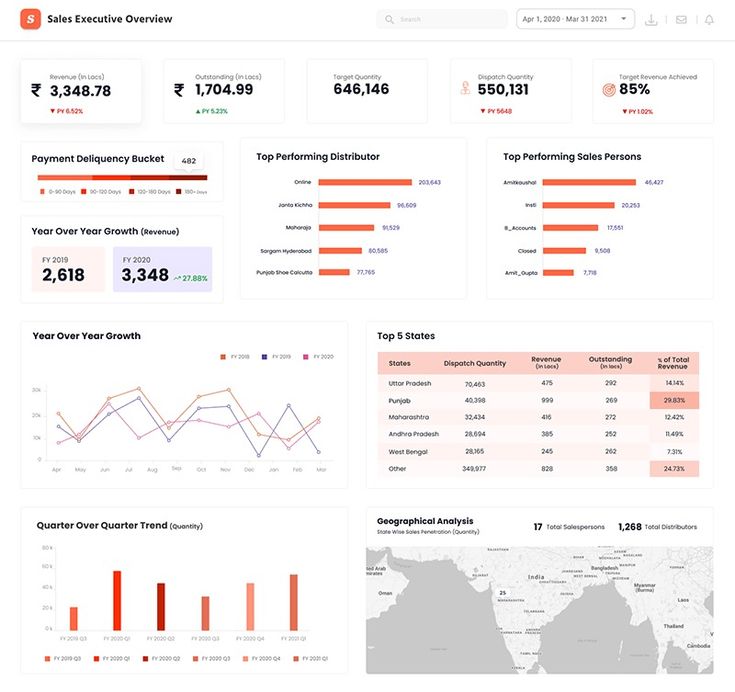
Executives rarely struggle with ambition, yet many of them struggle with clarity. Numbers arrive from multiple departments, dashboards update constantly, and reports fill inboxes every morning. However, without structure, those numbers stay disconnected. That is exactly where data analytics services for executive decision support create real value, because they transform fragmented information into focused direction.
Instead of reacting to isolated metrics, leadership teams start seeing patterns, trade-offs, and future scenarios. As a result, decisions feel less risky and more intentional. Moreover, analytics does not replace experience; rather, it sharpens it by grounding intuition in evidence.
Why Data Analytics Services for Executive Decision Support Matter at the Leadership Level
Senior leaders operate under pressure, and every decision carries strategic weight. Therefore, speed and accuracy matter equally. Data analytics services for executive decision support help leaders evaluate options quickly while still understanding long-term consequences.
For example, when revenue dips in one region, raw numbers alone do not explain why. Analytics connects sales data with marketing spend, customer behavior, and operational performance. Consequently, executives avoid surface-level fixes and focus on root causes.
At the same time, analytics reduces internal debate driven by opinions. When teams review the same structured insights, conversations shift from assumptions to evidence. As a result, alignment improves across departments.
Turning Complex Data into Executive-Level Insights
Executives do not need more data; they need better interpretation. That distinction matters. Analytics services translate complexity into executive-ready insights by focusing on relevance.
Instead of showing every metric, analysts highlight what influences strategic goals. For instance, rather than listing all customer segments, they identify which segments drive profitability or churn risk. Consequently, leadership discussions stay focused on impact, not noise.
In addition, visualization plays a key role. Clear dashboards allow executives to grasp trends in seconds. Meanwhile, supporting analysis remains available for deeper review when needed.
Supporting Strategic Decisions with Forward-Looking Analysis
Historical data explains what happened, yet leaders must decide what happens next. Therefore, data analytics services for executive decision support emphasize forecasting and scenario modeling.
Through predictive models, executives can test assumptions before committing resources. For example, leadership may compare outcomes from expanding into new markets versus doubling down on existing ones. As a result, strategy discussions become structured and proactive.
Moreover, scenario analysis helps leaders prepare for uncertainty. By modeling best-case, worst-case, and most-likely outcomes, executives gain confidence even when markets shift unexpectedly.
How Data Analytics Services for Executive Decision Support Improve Business Performance
Executive decisions shape every part of an organization. Consequently, analytics influences performance far beyond the leadership table. When decisions improve at the top, execution improves everywhere else.
Aligning Strategy with Measurable Outcomes
Many strategies fail because they remain abstract. Analytics connects high-level goals to measurable indicators. For instance, if leadership prioritizes customer retention, analytics identifies the specific behaviors that predict churn.
As a result, executives can track progress through meaningful KPIs instead of vague milestones. Furthermore, teams understand how their actions connect to strategic priorities.
Optimizing Resource Allocation Across Departments
Budget decisions often create tension between departments. However, analytics introduces objectivity. By analyzing ROI across initiatives, leadership can allocate resources where impact remains highest.
For example, analytics might reveal that a smaller marketing channel outperforms larger campaigns in conversion efficiency. Consequently, executives redirect spending with confidence rather than hesitation.
At the same time, analytics helps identify inefficiencies. Redundant processes become visible, enabling cost reduction without harming growth.
Enhancing Risk Management and Governance
Risk management requires more than compliance checklists. Data analytics services for executive decision supporthelp leaders quantify risk and monitor early warning signals.
For example, financial analytics can detect anomalies in cash flow before they escalate. Similarly, operational analytics may reveal supply chain vulnerabilities. As a result, executives act before problems turn into crises.
Additionally, analytics supports governance by creating transparency. When decisions rely on documented data, accountability strengthens across leadership teams.
Data Analytics Services for Executive Decision Support in Different Business Scenarios
Every organization faces unique challenges. Nevertheless, executive analytics adapts across industries and growth stages.
Supporting Growth and Expansion Decisions
Expansion decisions carry high stakes. Analytics evaluates market size, customer demand, and competitive dynamics simultaneously.
For instance, leadership considering international expansion benefits from analytics that compares customer behavior across regions. Consequently, executives avoid overestimating demand or underestimating costs.
Moreover, analytics tracks early expansion performance. If results deviate from projections, leadership can adjust strategy quickly rather than waiting for quarterly reviews.
Improving Mergers and Acquisitions Decisions
M&A decisions require clarity under tight timelines. Analytics supports due diligence by analyzing financial health, customer overlap, and operational efficiency.
Instead of relying solely on summary reports, executives gain a granular view of risks and synergies. As a result, negotiations become more informed and outcomes more predictable.
Strengthening Executive Oversight During Transformation
Digital transformation, restructuring, or operational shifts introduce uncertainty. Analytics provides continuous feedback during these periods.
By tracking adoption rates, productivity changes, and financial impact, leadership understands whether transformation efforts deliver results. Consequently, executives adjust tactics without losing momentum.
Key Capabilities Within Data Analytics Services for Executive Decision Support
Not all analytics deliver executive value. Specific capabilities matter when supporting leadership decisions.
Executive Dashboards Designed for Decision-Making
Dashboards tailored for executives differ from operational dashboards. They emphasize trends, comparisons, and strategic indicators rather than granular tasks.
For example, an executive dashboard may show revenue growth by segment, margin trends, and customer lifetime value. Meanwhile, operational details remain accessible but secondary.
Furthermore, well-designed dashboards reduce cognitive load. Executives absorb insights quickly, enabling faster decisions during meetings.
Predictive and Prescriptive Analytics
Predictive analytics forecasts future outcomes, while prescriptive analytics recommends actions. Together, they form the backbone of decision support.
For instance, predictive models may forecast declining demand in a product line. Prescriptive analytics then suggests pricing adjustments or resource reallocation. As a result, executives receive guidance, not just predictions.
Scenario Planning and Sensitivity Analysis
Strategic decisions often involve uncertainty. Scenario planning models different futures based on variable changes.
By adjusting assumptions such as pricing, costs, or market conditions, executives explore consequences before committing. Consequently, leadership discussions remain grounded even in volatile environments.
Common Challenges Executives Face Without Proper Analytics Support
Without structured analytics, executives rely heavily on intuition and fragmented reports. While experience matters, gaps remain.
Information Overload Without Clarity
Executives receive large volumes of data daily. However, without synthesis, important signals get lost. Analytics filters information, ensuring leaders focus on what truly matters.
Delayed Decision-Making
Reactive Instead of Proactive Leadership
Without forecasting, executives react to outcomes rather than shaping them. Analytics shifts leadership toward anticipation and planning.
Q&A: Data Analytics Services for Executive Decision Support
How do data analytics services for executive decision support differ from standard reporting?
Standard reporting focuses on what happened, while executive analytics explains why it happened and what to do next. It emphasizes insight, not just documentation.
Can executive analytics work with incomplete or imperfect data?
Yes. Analysts account for data limitations by validating sources and highlighting confidence levels. Even imperfect data provides direction when interpreted correctly.
How often should executives review analytics insights?
Many leadership teams review dashboards weekly, while strategic models update monthly or quarterly. Frequency depends on decision urgency.
Do these services replace executive judgment?
No. Analytics enhances judgment by providing evidence. Final decisions still rely on leadership experience and context.
Which roles benefit most from executive decision analytics?
CEOs, CFOs, COOs, and board members benefit the most. However, senior leaders across strategy, operations, and finance also gain value.
Building a Data-Driven Executive Culture
Analytics works best when embedded into leadership routines. When executives consistently reference data during discussions, teams follow suit.
Moreover, transparency increases trust. When leaders explain decisions using shared insights, alignment improves across the organization.
Integrating Data Analytics Services for Executive Decision Support Into Daily Leadership Workflows
Integration ensures analytics remains actionable. Insights must appear where decisions happen.
For example, dashboards integrated into executive meetings support real-time discussion. Meanwhile, scenario models inform planning sessions. As a result, analytics becomes part of daily leadership behavior, not an afterthought.
Additionally, feedback loops matter. When executives question insights, analysts refine models. That collaboration improves accuracy and relevance over time.