Data Analysis Services for Small Businesses
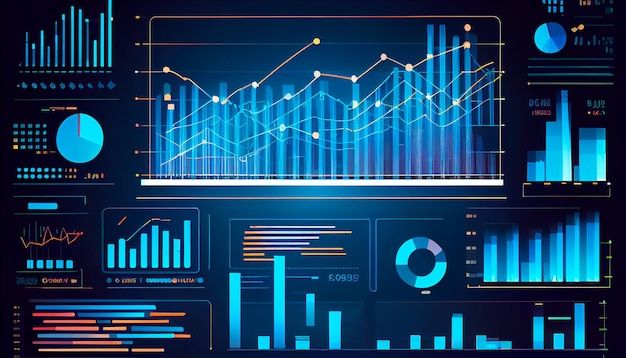
Small businesses deal with data every single day. Sales transactions, customer behavior, website visits, marketing campaigns, and operational activities all generate information. Data analysis services for small businesses exist to turn this scattered data into clear insights that support better decisions.
Instead of guessing why sales increase or drop, data analysis helps explain what is actually happening. Patterns become visible, inefficiencies are easier to detect, and opportunities appear faster. This is why more small businesses are investing time and effort into understanding how data analysis services fit their growth plans.
How Data Analysis Services for Small Businesses Create Value
Data analysis services for small businesses focus on extracting meaning from existing data. These services do not require massive data warehouses or advanced infrastructure. In most cases, spreadsheets, databases, and basic tracking tools already contain enough information to generate valuable insights.
Through structured analysis, raw numbers transform into trends, comparisons, and performance indicators. As a result, business owners gain clarity instead of relying on assumptions.
Types of Data Used in Small Business Analysis
Small businesses typically work with operational and customer-focused data. Sales records show purchasing behavior. Website analytics reflect digital engagement. Marketing data reveals campaign effectiveness. Financial data highlights profitability.
Combining these sources allows analysis services to build a complete business picture. Each dataset adds context to the overall performance.
Sales and Revenue Analysis
Sales analysis is one of the most common data analysis services for small businesses. It examines revenue patterns, product performance, and pricing effectiveness.
By analyzing sales data over time, businesses understand seasonality and demand fluctuations. This insight supports smarter inventory and pricing decisions.
Customer Behavior and Segmentation
Customer analysis focuses on how buyers interact with products and services. Segmenting customers based on behavior, location, or purchase history helps businesses personalize their approach.
When customer segments are clear, marketing messages become more relevant. Retention strategies also improve because loyal customers are easier to identify.
Marketing Performance Analysis
Marketing data analysis evaluates how campaigns perform across channels. Click-through rates, conversion rates, and customer acquisition costs reveal what works.
Instead of spreading budgets evenly, businesses can focus on high-performing channels. This improves return on investment without increasing spending.
Operational Efficiency Analysis
Operational data highlights how efficiently a business runs. Order processing time, delivery performance, and resource usage are common metrics.
Data analysis services for small businesses help identify bottlenecks. Once identified, processes can be streamlined for better productivity.
Financial Analysis for Better Control
Financial data analysis goes beyond basic accounting. It examines cost structures, profit margins, and cash flow patterns.
Understanding these financial signals helps businesses maintain stability. Informed decisions reduce financial risk.
Tools Commonly Used in Data Analysis Services
Most data analysis services for small businesses rely on accessible tools. Excel and Google Sheets remain widely used due to flexibility.
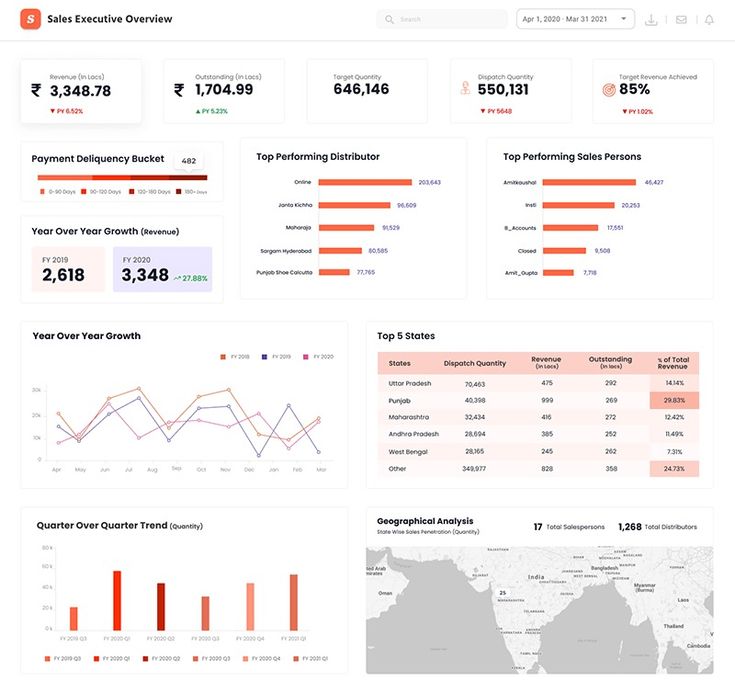
Business intelligence tools and dashboards provide visual summaries. These tools help business owners understand insights quickly without technical complexity.
Data Visualization and Reporting
Visualization plays a major role in analysis services. Charts, graphs, and dashboards present information clearly.
Well-designed reports save time and improve understanding. Decision-makers grasp trends faster when data is visualized.
Custom Analysis vs Automated Reports
Some businesses prefer custom analysis tailored to specific questions. Others rely on automated reports updated regularly.
Data analysis services for small businesses often combine both approaches. Custom analysis answers strategic questions, while automation supports ongoing monitoring.
Integrating Data from Multiple Sources
Combining data from sales systems, websites, and marketing platforms increases insight accuracy. Integration reveals relationships between different business activities.
For example, linking marketing campaigns to sales outcomes clarifies effectiveness.
Scaling Analysis as the Business Grows
Data analysis services evolve as businesses expand. Early-stage analysis focuses on fundamentals.
As data volume increases, analysis becomes more detailed. Scalable services support growth without disruption.
Common Challenges Small Businesses Face with Data
Data quality issues are common. Missing values, inconsistent formats, and duplicates reduce accuracy.
Analysis services include data cleaning steps. Clean data improves trust in insights.
Building a Data-Driven Culture
Using data consistently encourages a data-driven mindset. Decisions become evidence-based.
Over time, teams rely more on insights than intuition.
Choosing the Right Data Analysis Services for Small Businesses
The right service depends on goals and data availability. Clear objectives guide service selection.
Understanding business priorities ensures relevant insights.
Cost Considerations for Small Businesses
Affordability matters. Many services offer flexible pricing.
Value comes from actionable insights, not complexity.
Data Security and Privacy
Protecting business and customer data is essential. Analysis services must follow privacy standards.
Secure handling builds trust.
Real-World Impact on Business Decisions
Businesses using data analysis services often improve forecasting and planning.
Clear insights reduce uncertainty.
User Questions About Data Analysis Services for Small Businesses
What are data analysis services for small businesses?
Data analysis services for small businesses involve examining business data to identify trends, patterns, and insights that support better decisions.
Do small businesses really need data analysis services?
Yes, because even small datasets reveal valuable information. These insights help businesses compete effectively.
How much data is needed for analysis services?
Large volumes are not required. Consistent and relevant data is more important than size.
Are data analysis services expensive for small businesses?
Costs vary, but many services are affordable and scalable.
What tools are commonly used in data analysis services for small businesses?
Excel, Google Sheets, BI tools, and dashboards are commonly used.
Can data analysis services help increase sales?
Yes, by identifying customer behavior and sales trends.
How often should data be analyzed?
Regular analysis provides better tracking and faster response to changes.
Is technical knowledge required to use data analysis services?
Most services present insights in simple formats. Technical expertise is usually not required.
Can data analysis services integrate with existing systems?
Yes, integration is often part of the service.
How long does it take to see results?
Insights often appear quickly once data is organized.
Long-Term Benefits of Data Analysis Services for Small Businesses
Over time, businesses gain clarity and confidence by relying on data-backed insights.
Pingback: Business Data Analysis and Reporting Services - omartheanalys