How to Interpret Data Analysis Results Step-by-Step

Introduction
Data analysis provides valuable insights for businesses, researchers, and professionals. However, insights are only useful when correctly interpreted. Understanding how to interpret data analysis results step-by-step ensures accurate decision-making and actionable conclusions.
Analyzing data involves more than running calculations or generating charts. Interpreting results requires careful consideration of context, metrics, and statistical significance. Following a structured approach reduces errors and improves clarity.
Importance of Proper Interpretation
Accurate interpretation is essential to avoid misleading conclusions. Misinterpreted data can result in poor decisions, wasted resources, and strategic setbacks. Organizations that master interpretation gain a competitive advantage.
Proper interpretation bridges the gap between data and business strategy. It transforms raw numbers into meaningful insights that guide actions effectively.
Step 1: Understand the Data
Before interpreting results, analysts must understand the dataset. Knowledge of data sources, collection methods, and variables ensures valid conclusions. Identifying potential biases or limitations is crucial.
Assess Data Quality
Data quality directly impacts interpretation accuracy. Check for missing values, duplicates, and outliers. Cleaning and validating data prevent erroneous conclusions.
Review Variable Definitions
Clear understanding of each variable supports correct interpretation. Analysts must know what each measure represents and its relevance to objectives.
Step 2: Review Analysis Methods
Examine the methods used to generate results. Different analytical techniques yield different types of insights. Knowing the method ensures correct assumptions and interpretations.
Statistical Techniques
Descriptive statistics summarize the dataset. Regression, correlation, and hypothesis testing provide deeper insights. Each technique has specific interpretation guidelines.
Visualization Tools
Charts and graphs reveal trends and patterns. Visualizations help identify anomalies, relationships, and distributions that may not be obvious in raw data.
Step 3: Examine Results Carefully
Scrutinize the findings for accuracy and consistency. Compare results with expectations and historical data. Look for patterns, trends, and outliers that require further investigation.
Identify Significant Findings
Determine which results are statistically and practically significant. Focus on insights that impact decisions directly. Avoid overemphasizing minor variations.
Cross-Check Metrics
Validate key metrics by comparing them across different subsets or using alternative methods. Consistency strengthens confidence in interpretation.
Step 4: Contextualize the Results
Context provides meaning to numbers. Consider external factors, business objectives, and environmental influences. Results interpreted without context can be misleading.
Align With Objectives
Ensure findings address the original business or research questions. Interpretation should connect results to actionable insights.
Consider Limitations
Acknowledge data or methodological limitations. Transparency about constraints prevents overconfidence in conclusions.
Step 5: Draw Actionable Insights
Focus on translating analysis into decisions. Identify opportunities, risks, and strategies supported by data. Actionable insights bridge analysis and implementation.
Prioritize Findings
Rank insights by relevance and potential impact. High-priority findings guide immediate actions, while secondary insights inform future planning.
Recommend Actions
Suggest steps or strategies based on results. Recommendations must be practical, measurable, and aligned with organizational goals.
Step 6: Communicate Results Effectively
Clear communication ensures stakeholders understand and trust the analysis. Use concise reporting, visualizations, and structured narratives. Tailor communication to the audience’s expertise.
Visualization Techniques
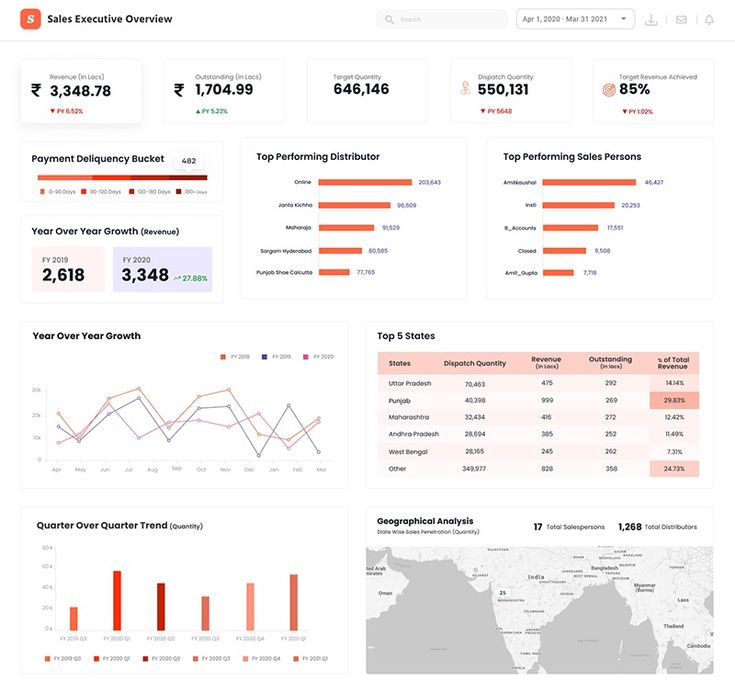
Graphs, charts, and dashboards simplify complex data. Highlight key metrics and trends to enhance understanding.
Reporting and Documentation
Provide detailed explanations of methodology, assumptions, and results. Documentation supports reproducibility and transparency.
Step 7: Validate and Review Findings
Continuous validation prevents errors and ensures reliability. Review results with peers or subject-matter experts. Re-evaluate analysis when new data becomes available.
Peer Review
Feedback from colleagues enhances accuracy and identifies potential blind spots. Collaborative review strengthens interpretation.
Continuous Improvement
Incorporate lessons learned to improve future analysis. Iterative evaluation refines methods and interpretation quality.
Common Pitfalls in Interpretation
Overgeneralization
Avoid drawing conclusions beyond the scope of the data. Interpret results within the dataset’s boundaries.
Ignoring Context
Data without context may lead to misleading conclusions. Consider external factors, industry standards, and trends.
Confirmation Bias
Analysts may favor results that support preconceived notions. Maintaining objectivity is essential.
Misunderstanding Statistical Significance
Statistical significance does not always imply practical relevance. Interpret results with both statistical and business perspectives.
Tools to Aid Interpretation
Python, R, Excel, Tableau, and Power BI assist in interpreting data. These tools support visualization, statistical analysis, and reporting. Choosing the right tool enhances efficiency and accuracy.
Best Practices
- Document assumptions and methods
- Validate findings through cross-checks
- Use visualizations to clarify complex insights
- Communicate results tailored to stakeholder needs
- Continuously review and refine interpretation techniques
Why Mastering Interpretation Matters
Professionals who understand how to interpret data analysis results step-by-step make informed decisions and drive impactful strategies. Interpretation skills are as important as technical analysis capabilities.
Conclusion
Interpreting data analysis results is a structured process that ensures insights are accurate, relevant, and actionable. By understanding the data, reviewing methods, contextualizing results, and communicating findings effectively, analysts transform raw numbers into meaningful business strategies. Mastering how to interpret data analysis results step-by-step empowers professionals to make informed, confident decisions that drive success.